
Businesses increasingly depend on data to drive strategies, so having secure, accessible, and powerful storage solutions is very important. Cloud solutions may make headlines more often, but an onsite data center offers control, reliability, scalability and is more tailored to your unique business needs. Whether yours is a mid-sized enterprise or a growing startup establishing one can be a game-changer.
Table of Contents
Why Build an Onsite Data Center?
Full Control Over Your Data
An on-premise data center gives your business complete control of its data. From sensitive customer records to operational info, having everything under your roof removes third-party control concerns and helps maintain compliance regulations such as HIPAA, GDPR or CCPA more easily.
Enhanced Security
Data breaches can be disastrous to any company. Onsite data centers improve security by keeping data within its own environment, with physical barriers and network protection tailored specifically to your requirements. Plus, you are in charge when it comes to firewalls, encryption, and redundancy measures, something no offsite data center could ever offer.

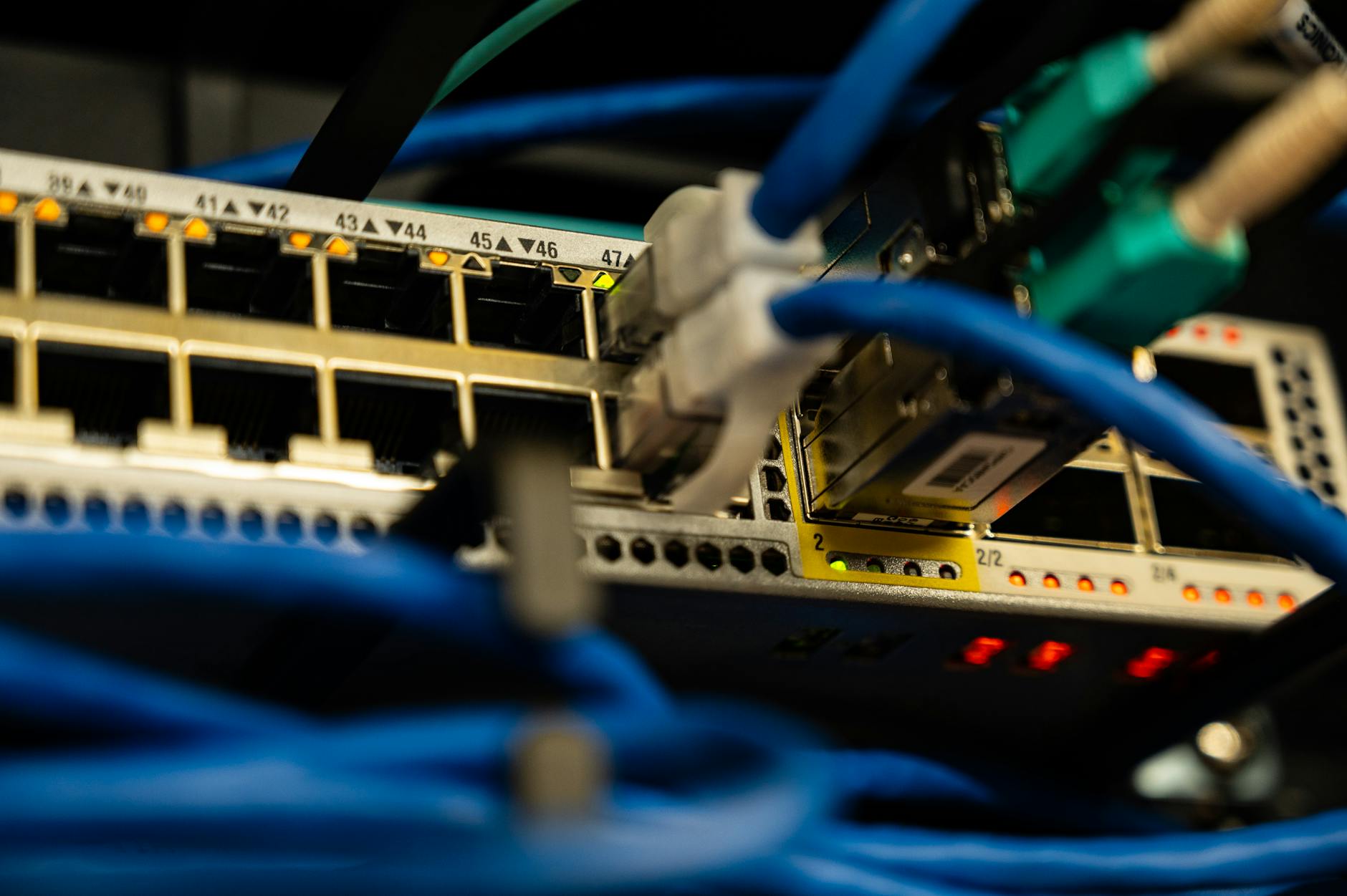
Photo by Christina @ wocintechchat.com on Unsplash
Building an Onsite Data Center
Assess Your Needs
Before purchasing a server or router for your business, conduct an in-depth assessment of its data needs. Look at current volumes as well as projections for future growth. Does your center need to support large-scale data analytics, constant uptime operations or high transaction volume needs? Knowing these operational specifications is important in designing the ideal setup.
Choose the Right Location
Locating an onsite data center requires more than logistical consideration, it requires strategic thought. Select an area with minimal risk from natural disasters like floods or earthquakes. Access should be easily available to IT teams without being vulnerable to unwelcome intrusion from unauthorized personnel. Cooling systems and ventilation will need to be considered given how hot data centers can become. Blanking panels should also be installed to maintain airflow for efficient cooling that avoids overheating situations.
Purchase Scalable Hardware
Planning ahead for future expansion in your data center is very important, so consider investing in scalable hardware that accommodates business expansion without necessitating an overhaul. Modular servers, storage systems and network components allow companies to increase capacity without disrupting current operations.
Power and Backup Systems
Power outages can be disastrous to data centers. To make sure that continuity during grid failures and maximize uptime, invest in redundant power systems like generators and uninterruptible power supplies (UPSs), along with robust backup solutions to prevent data loss.
Is It Worth the Effort?
Absolutely. For businesses requiring tailored performance, enhanced security or compliance-driven operations, an onsite data center is an amazing investment that not only stores information securely but empowers business to operate more efficiently while offering peace of mind for operations.
Conclusion
Building an onsite data center is more than a technical decision, it’s an investment. When you prioritize greater control, robust security, and scalable performance, your business positions itself for long-term success in today’s information economy. Although the initial implementation may require dedicated planning resources and effort, the end result can provide you with a data infrastructure built specifically around your needs that’s resilient yet reliable. Make your mark now by building your own onsite data center.
