
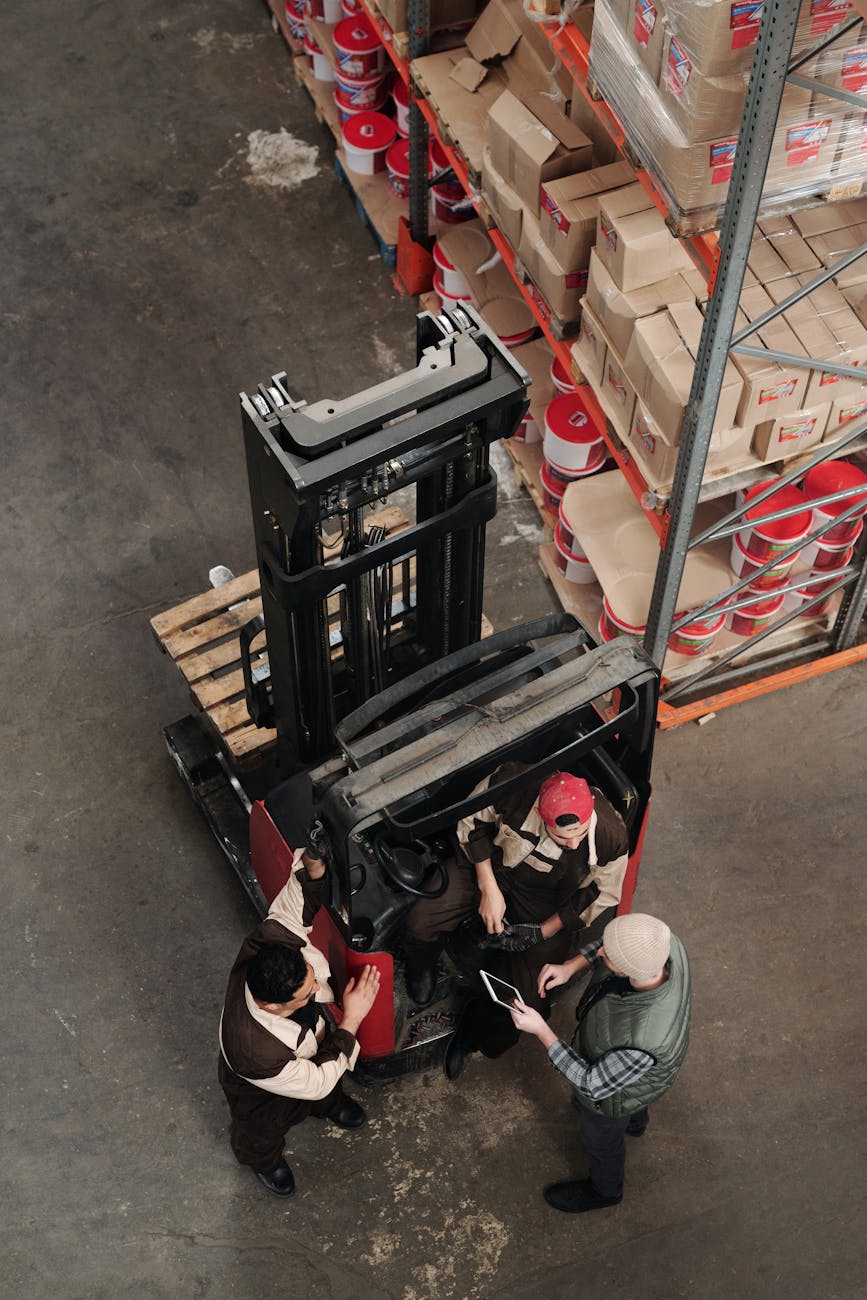
When you run a warehouse, yes, you need plenty of room and you need lots of good health and safety measures in place to ensure things run as smoothly as possible, but you know what else you need? A space that is designed to be as efficient as possible. You cannot afford for your employees to be wasting time when they are picking, packing or otherwise trying to do their jobs, but so many warehouse have not been set up with maximum efficiency in mind. It’s time to change that and build a more efficient warehouse space. Here’s how:
Table of Contents
Start by Understanding Your Current Workflow
Every warehouse improvement begins with giving yourself a reality check. Before you change anything, map out how your warehouse currently operates, so that you can better understand what is working well and what is less efficient than it needs to be.
Look at:
- How products arrive
- Where they’re stored
- How often each item is picked
- Employee movement around the building
- Bottlenecks during busy periods
Once you can visualise the flow, inefficiencies will start to jump out. Perhaps staff are walking too far to pick fast-moving items. Maybe your packing station is too close to receiving, causing congestion. Maybe your aisles are too narrow, slowing down picking trolleys.
It’s important that you don’t skip this step because optimisation of your warehouse space is impossible if you do not have a clear understanding of where time and effort are being wasted.

Analyse Which Products Move Fastest
It’s fair to say that not all stock is equal. In just about any warehouse you will have:
Fast movers – items picked daily
Medium movers – regular but not constant picks
Slow movers – products that linger
Once you know which stock is which, you will want to place fast movers in the most accessible area of the warehouse, ideally at waist height and near your packing or dispatch stations. You can then place medium movers slightly further out, and slow movers can be stored higher up or in less central locations.
Just implementing this change alone can save your employees hundreds of steps every shift, so it is a change well worth making.
Invest in High-Quality Shelving and Racking
It might sound a bit dramatic, but shelving really is the backbone of an efficient warehouse design, and the right shelving can increase capacity, improve safety, and streamline picking routes, so you need to choose it with care.
Think about:
- Adjustable shelving for changing stock sizes
- Heavy-duty racking for bulk items
- Steel shelving for long-term durability
- Open-back shelving to allow picking from multiple angles
I used these in the warehouse because the shelves are sturdy, easy to assemble, and make much better use of vertical height. Bear in mind that quality shelving pays for itself quickly – poor storage design always costs more in the long run.
Optimise the Use of Vertical Space
A common mistake that many owners and operators of warehouses often make is not taking advantage of the vertical space they have, keeping everything quite low down, which is such a waste and does not make for greater efficiencies.
The area above you is basically free real estate so use it to its full potential and consider:
- Taller shelving units
- Pallet racking with multiple levels
- Mezzanine floors for extra storage
- Stackable containers and crates
Just be sure to comply with health and safety regulations, and ensure staff are trained to work with ladders, reach trucks, or automation safely. After all, any increase in efficiency will be wiped out if staff are having accidents left, right and centre, and nobody wants to be the boss who puts their employees in danger, right?
Create Clear, Wide, and Unobstructed Aisles
Cluttered aisles are a nightmare in a warehouse environment because they slow everyone down, and they make it much more likely that errors and accidents are going to occur on any given shift.
The best and most efficient warehouses almost always have:
- Clearly labelled aisles and zones
- Consistent aisle widths
- Dedicated pedestrian walkways
- Zero tolerance for obstructing equipment or pallets
Ideally, you should use painted floor markings or barriers to keep people and machinery in their proper lanes. A tidy aisle is a fast aisle. It’s that simple.
Make Your Picking Strategy Work for You
Picking can account for up to 60% of warehouse operating costs, so improving it will drastically boost efficiency.
Popular systems include:
1. Zone Picking
Divide the warehouse into sections, and assign staff to pick only within their zone.
2. Batch Picking
Pick multiple orders simultaneously to reduce repeated trips.
3. Wave Picking
Pick in timed waves that align with dispatch schedules.
The best method really does depend on your order volume, product range, and staffing, but even small adjustments can cut picking time significantly, so be sure to look at what you can do to make improvements i this area.
Improve Your Labelling and Inventory Visibility
Good labelling really is more important than you might think for making your warehouse design more efficient. It takes a very small amount of effort, but your productivity gains can be huge. Clear labels reduce picking errors, speed up stock counts, and help staff navigate the warehouse more confidently.
Upgrade your labelling system by:
- Using barcodes or QR codes
- Ensuring labels are big, bold, and readable at distance
- Colour-coding sections, product types, or order priorities
- Using LED signs for high-traffic areas
Combine these ideas with a proper inventory management system, and you’ll drastically reduce misplaced or miscounted stock for sure.
Introduce Technology Gradually
If you do not already have all of the warehouse technology that can help you to be as efficient as possible, it is a good idea to start changing that, but it is also a good idea to try and do so in a gradual way so that there will be minor disruption to your operations.
Useful additions include:
- Barcode scanners
- Tablet-based picking lists
- Digital inventory management software
- RFID tags for high-value items
- Conveyor systems for busy packing stations
But if you don’t think any given tech upgrade will actually help to improve your workflow, skip it.
Here’s to a more efficient warehouse space that allows you and your team to do your best work unhindered.
