
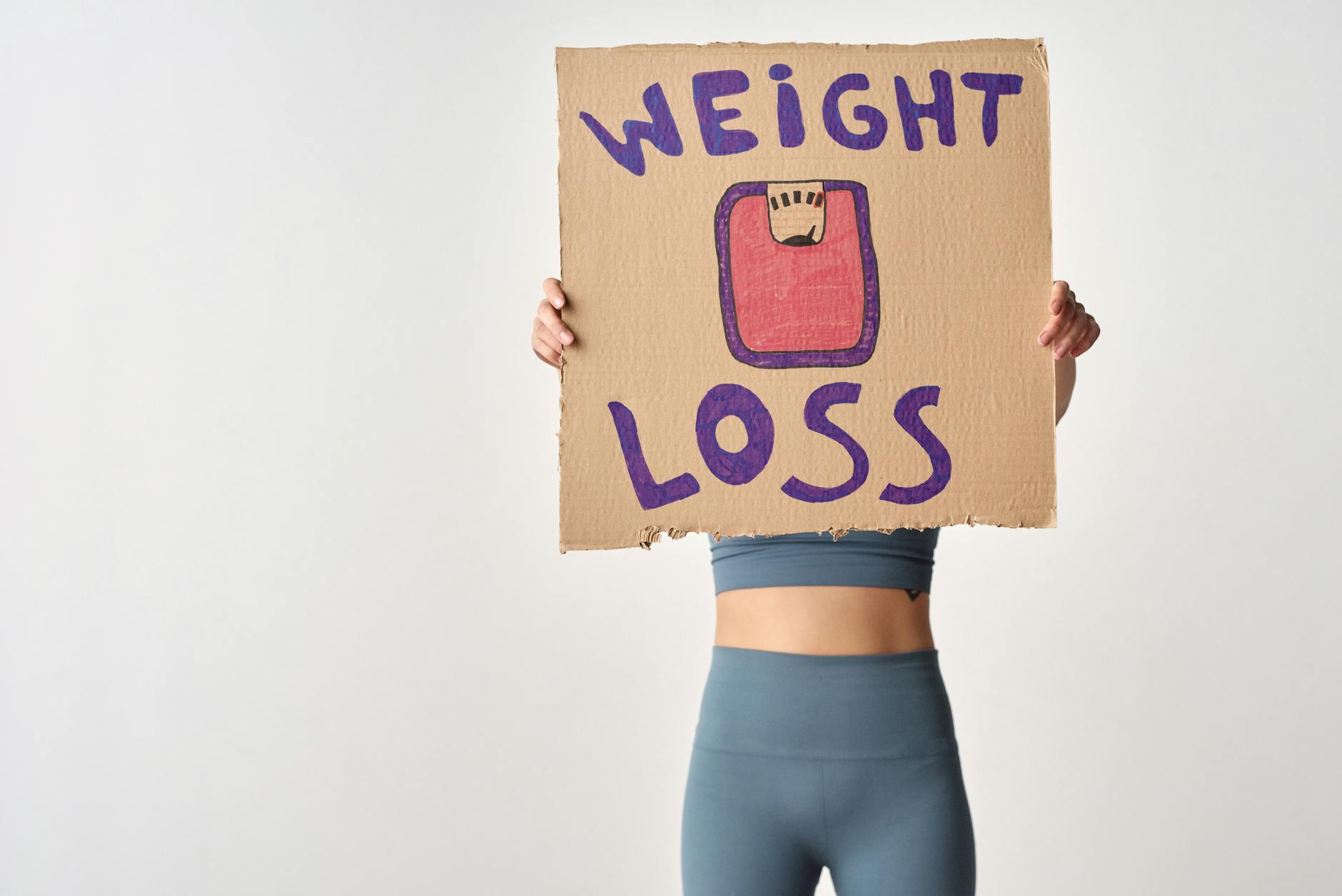
Weight loss medications have well and truly changed the game for so many people struggling with obesity. It’s incredible to think that we finally now have safe and effective medications that genuinely help people; no more unsafe stimulants or ridiculous crash diets are needed. Just an effective hormone-based solution (that has lots of other benefits on the body too, for some people, like reducing inflammation and even helping with addiction and impulse control!)
Weight loss meds have allowed the health industry to treat obesity as the medical condition that it is, instead of suggesting it’s a lifestyle or something people choose. However, it’s not just as simple as administering an injection and waiting for the fat to drop off. You do have to make changes, too, and there are certain things to be aware of when you’re starting your journey. Here’s what you need to know.
Nutrition
GLP1 weight loss medications work by mimicking the natural hormone your body makes, which gives you sensations of fullness. This means your appetite is reduced, so you’re not as hungry overall and also aren’t able to eat big portions. Because of this, you eat fewer calories overall, and your body fat reduces. But this does mean that what you do eat should contain good nutrition, as smaller portions mean less chance of covering all of the vitamins and minerals you need. Concentrate on eating small portions of nutrient dense foods like berries and green leafy vegetables.
Lean meat, fish, and whole grains, too, will all give you good coverage. Small amounts of healthy fats like avocados and olive oil are essential too. Lots of people on weight loss meds don’t need to track calories and can lose weight simply by listening to their fullness signals (for many with obesity, this is the first time they’ve ever been able to do this). But even if you’re not tracking calories, try and keep an eye on the nutrition side of things so you get a good mix of quality carbs, protein and healthy fats each day.

https://www.pexels.com/photo/woman-measuring-her-hips-6551070
Exercise
When it comes to losing weight, many people are surprised to know that you don’t actually need to exercise at all, as almost all of weight loss is diet-related. However, just because you can lose without exercising doesn’t mean you should skip it. It’s still important for your overall health and will support you on your overall journey when it comes to looking and feeling better in yourself. Muscle loss can occur when you lose fat, so regular exercise can prevent this from happening and will also protect your metabolism since more muscle burns more calories at rest. Taking creatine can help if you’re doing resistance exercises, although it should always be considered alongside adequate protein intake and general nutrition rather than as a shortcut. Creatine helps your muscles produce energy during short bursts of effort.
Habits
Finally, building good habits is important when you’re hoping to improve your health long term. Even if you plan on staying on weight loss meds permanently (which is safe and is recommended for many people because of their underlying causes of obesity), it’s still important to change your habits. When you’re not hungry all the time, it’s easier to make better choices around food. When your body is physically lighter, it can make exercising easier and more fun, and when you exercise more, it can make your mental health and sleep better, too. So these kinds of habits can snowball in a good way.
