
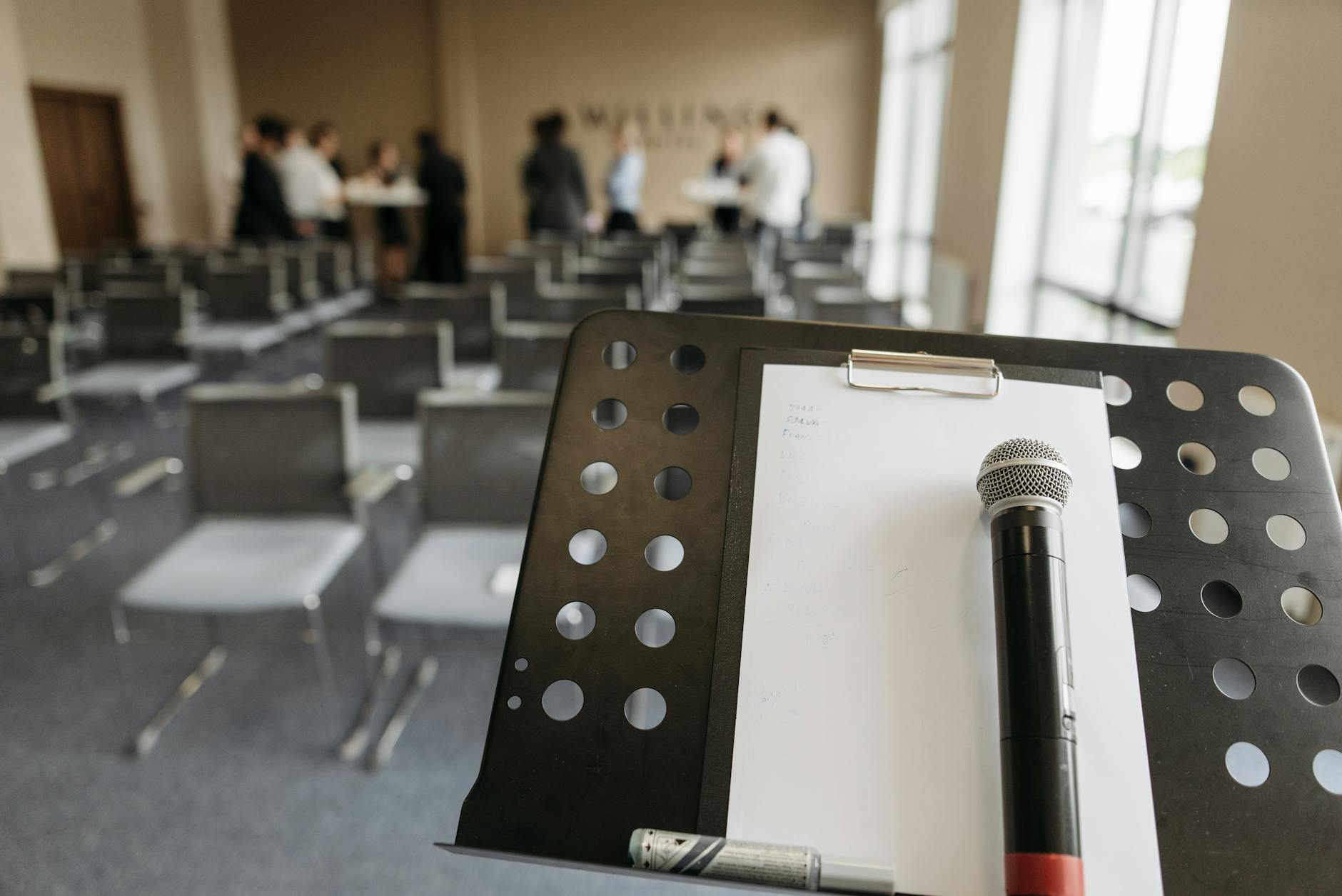
Corporate events are often remembered less for the speeches and presentations and more for the overall experience. Attendees want to feel that their time is well spent, whether they’re there to learn, connect with peers, or enjoy a break from the usual office setting.
For organizers, the challenge is to balance business objectives with creating a welcoming and enjoyable atmosphere. By paying attention to what participants actually care about, companies can create gatherings that feel more engaging and worth the investment in both time and money.
Table of Contents
Spreading the word effectively
No matter how well an event is planned, it won’t have an impact if people don’t know about it. That’s why smart strategies for marketing a local event are just as important as the program itself. Reaching the right audience through the right channels builds more anticipation and sets expectations before the day even begins.
When people feel invited in a way that speaks to them, they’re more likely to attend with interest. That initial connection through marketing often changes how someone will see the event overall.

Source: Unsplash (CC0)
Making people feel safe and comfortable
Attendees want to know that the basics are covered before they can enjoy the event. This means clear planning around seating, space, and amenities, but it also includes health and safety. Companies that arrange professional event medical services show their commitment to attendee wellbeing, which is something people notice even if they don’t talk about it directly.
When guests feel secure, they’re more relaxed and open to participating. It’s one of those details that doesn’t need to take center stage, but it forms the foundation of a successful event experience.
Adding value through shared experiences
Many events succeed because they go beyond formal sessions and provide activities that bring people together in a different way. For example, thoughtful team building exercises can make the day more enjoyable while also strengthening relationships. These moments give people something fun to talk about and remember after the event ends.
Actually, some companies are getting a bit more creative with the “experience” part now, especially when the audience needs something a bit more memorable than another breakout session. For exmapl here, things like interactive holograms for sports can work well for corporate hospitality or sponsor-led activations, because they give people something genuinely different to engage with. Plus, it probably helps if the team building exercise or event is sports-related, because it could be fun for the team to interact with their favorite athlete’s AI version of them.
When shared experiences feel genuine and not forced, they add to the sense that the event was worthwhile. Attendees leave with memories that go beyond business objectives, which makes the company stand out in their minds.
Building the right atmosphere
The tone of an event is shaped by everything from the venue to the program structure. A corporate event that feels too stiff or generic risks losing the audience’s attention, while one that balances professionalism with creativity usually gets better engagement. People appreciate thoughtful touches that make them feel valued and included.
Even small choices like music, lighting, or seating layouts can change the mood. When those choices align with the purpose of the event, attendees are more likely to remember it for the right reasons.
What people really care about in corporate events often comes down to simple but meaningful details. Safety, comfort, atmosphere, marketing, networking, and shared experiences all play a role in changing how the event is received. When organizers pay attention to these factors, they create gatherings that feel purposeful and memorable for everyone involved.
