
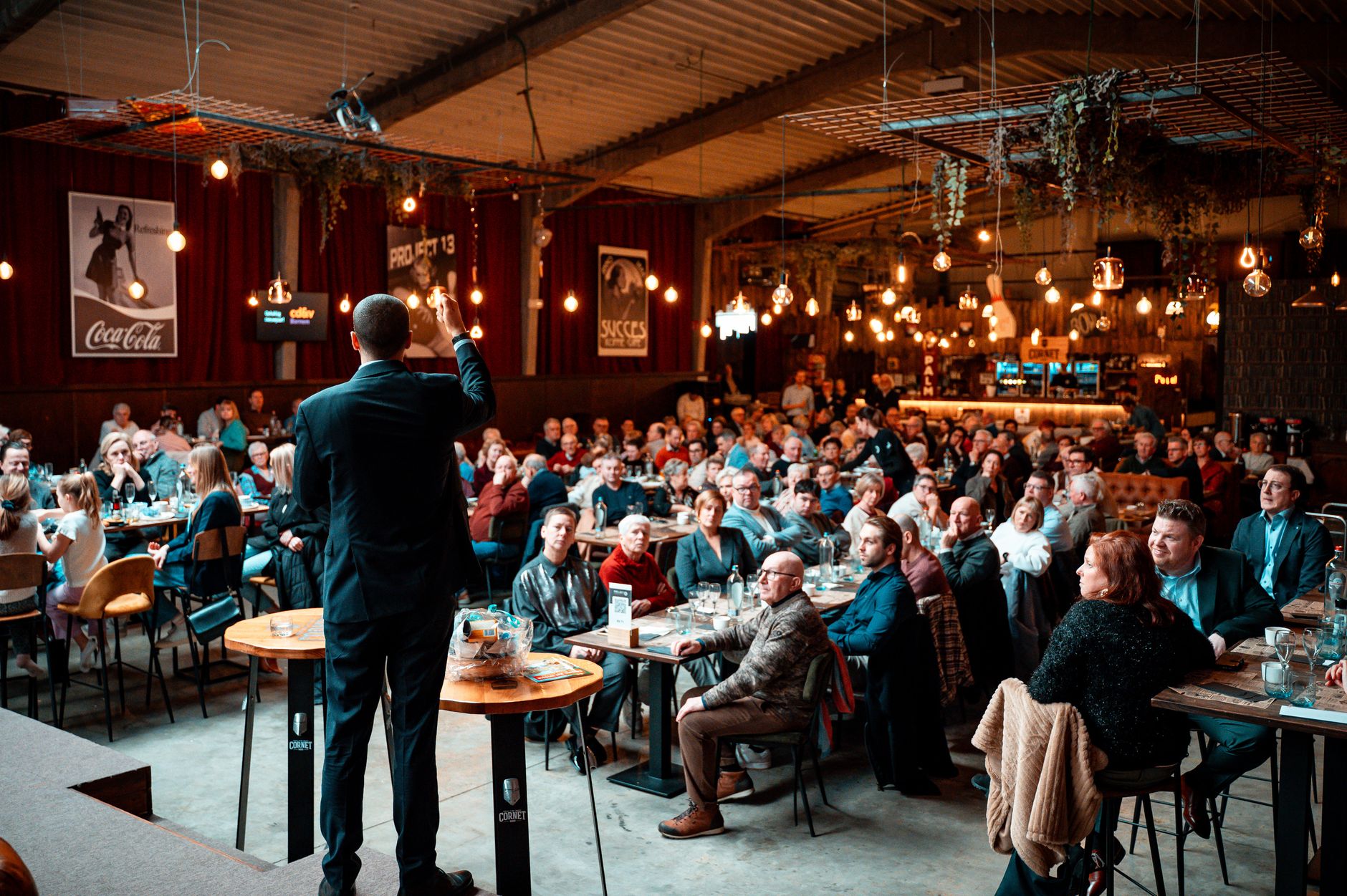
A great venue and a lineup of impressive speakers are fantastic starting points for any event, but they won’t guarantee success all on their own. The real magic of a memorable conference or summit comes from its content, and without a smart plan, even the most promising elements can just fall flat. Thinking of content as an afterthought is the quickest way to leave your audience feeling bored and your event goals completely missed.
Table of Contents
Beyond Just ‘Having Speakers’
Just booking a bunch of speakers isn’t a content strategy; that’s more like a to-do list. A real strategy means crafting a story that weaves through your entire event. Think about the message you want to share and the key ideas you want your audience to take home. Every speaker, session, and workshop should feel like a chapter in that story, building on what came before and setting the stage for what’s next. A skilled conference host can be the person who ties all these chapters together for the audience. And don’t forget, how it’s delivered is just as important as what the speaker says. High-quality audiovisual production for conferences and summits makes sure every word is heard, and every presentation is seen clearly, stopping technical hiccups from messing up your carefully planned content.
Audience First Content Design
The best event content is always designed with your attendees in mind. Before you pick a single topic or speaker, you should have a clear picture of who will be in the room. What challenges are they facing at work? What new skills are they hoping to learn? What questions do they want answered? You can figure this out by sending out pre-event surveys, listening on social media, or looking at feedback from past events. This “audience-first” approach makes sure your content isn’t just interesting, but genuinely useful, which is a big part of event content marketing best practices.

Image Credit: Unsplash
Integrating Content with Event Flow
Your event’s main message shouldn’t just stay on the main stage. A powerful content strategy brings key themes into every part of the attendee experience. The opening keynote should act as a strategic first step that introduces the main ideas that everyone will explore throughout the day. These themes can then pop up again during breakout sessions, hands-on workshops, and even casual networking breaks. For instance, if “innovation” is a big theme, you could have interactive tech demos in the common areas or a workshop focused on creative problem-solving. This creates a really connected and immersive learning environment.
Measuring Content Impact
To truly know if your content strategy worked, you need to measure its impact beyond just asking if people were happy. Keep an eye on which sessions had the most attendees and engagement. Use live polls and Q&A apps during presentations to see what people are understanding and interested in right away. Post-event surveys should ask specific questions about how useful the content was and what attendees plan to put into practice. Check social media for mentions and see which topics are getting the most buzz. These bits of information give you solid proof of what really clicked with your audience and what didn’t.
Refining Your Event Message
The information you collect is your most valuable tool for planning future events. A good look at how your content performed gives you a clear path for making things even better. Did a certain session format get amazing feedback? Think about making it a regular feature at your next event. Was a particular topic a surprise hit? That could be a central theme for next year. This process of planning, measuring, and improving turns event planning from a guessing game into a data-driven approach. Each event becomes a chance to sharpen your message and give even more value to your attendees.
Focusing on building a smart content story instead of just filling a schedule helps you elevate your event from a simple gathering to a truly transformative experience.
